

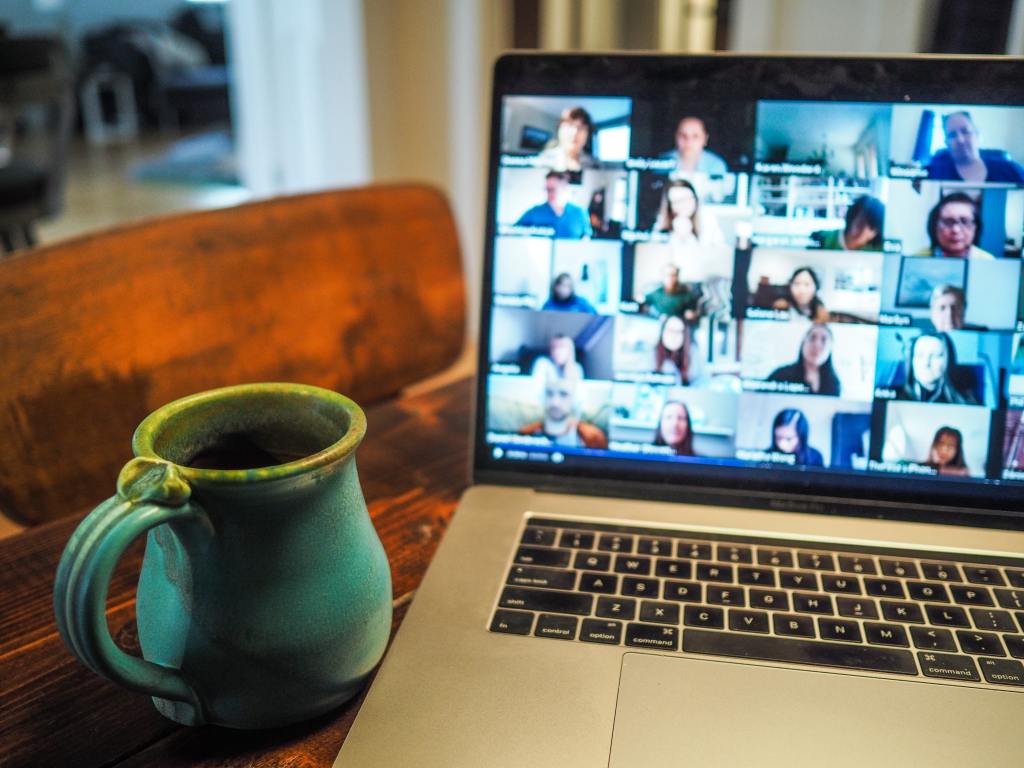
Scaling teams is hard enough in normal times, but scaling remote teams in a Pandemic is a special kind of hard. All those “soft” skills around team building, trust building, relationship building out of a sudden become non-negotiable success factors for leaders. They become the new “hard” skills in successfully leading a remote team.
In normal times organizations have the luxury to bring new hires on-site for orientation. This means that the new hires often start with an entire cohort of new people, a sort of built-in mini community from Day 1. Everyone meets in the office on their first day, it’s easy to make sure that everyone has a positive, welcoming start. Somebody personally greets the new hires at the door, everyone gets their new hardware, people get some nice company shwag (beautiful water bottles, nice mugs and a hoodie have been new hire favorites at my last organization). All new hires get a tour of the office, are invited to a tasty lunch and generally have a really nice first day at work. And having a positive experience pre-onboarding and on your first day is a major predictor of retention beyond the first six months.
What almost happens on its own without much effort in an on-site onboarding process is the social side of things. By design of the onboarding setup everyone gets physically seen, nobody has an experience of not knowing what to do on their first day (their schedule is set for them), they are surrounded by friendly curious people who meet and greet them at the coffee machine, water cooler of any of the other common areas in the office. It is virtually impossible to feel “forgotten”, or to be left wondering how to show up in the team in your orientation week. Somebody shows you the desk you can sit at, there are colleagues close by, if you are lost with small things like finding the bathroom or the kitchen, there is always a friendly face helping you out. In short, the experience of arriving in a welcoming and friendly place is almost guaranteed (unless you are really unlucky). And if you struggle with a work task, chances are that one of your colleagues will notice, the hurdle to ask for help (or simply being helped) is much lower.
Picture that first day at work in a remote setup and this experience of feeling welcome and taken care of is a much harder to control environment. Depending on your location in the world, your hardware may not have arrived in time. You do have that “welcome” zoom call, but maybe there are technical difficulties and the group is not waiting for you to sort through all of them to welcome the rest of the new starters, or maybe your manager is busy or distracted and nobody can see that you seem to be lost and not sure how to best show up in your team. If you struggle to perform a work task, nobody witnesses your frustration, and you have to overcome a feeling of “I may disturb somebody” if you decide to reach out and ask for help.
All of these things can obviously be mitigated, but this is only taking care of your first day or week. What happens next is just as hard to figure out and get right. Typically in growing teams with new team members, and especially in fast growing organizations with constantly shifting team compositions, a team is going through a phase of rocking whenever one or two new team members join. Teams will rock again when you grow and split teams. Teams go back to rocking basically every time you change the composition of a team.
And again: a rocking co-located team has the luxury of many built in social interactions that can help build trust along the way. A lot of these bonding and trust building interactions that naturally happen in an office environment are simply missing in a remote team. But trust in a team does not typically simply appear without some conscious effort. Especially in a remote setup where the normal trust building human interactions between team members are missing.
Add in the stressors of a pandemic:
- some people may be living and working in cramped spaced (or in isolated setups living alone)
- some people may share the room they work from with their kids, or another person working from home (and as a result are often distracted)
- others may not have a fully functional work station setup (e.g. poor wifi connections, sitting on chairs or at tables that are not set up well for a full day of working without eventually having pain due to bad pasture)
- some people may currently be quarantined, or taking care of loved ones who are sick (and are stressed because of that)
- some people are simply overwhelmed with the constantly changing regulations, new variants and the uncertainty this creates around their social life
Normalizing those experiences by creating a space to verbalize them and speak about them can take the edge of these stressors. This can easily be done in 1:1 conversations or also with a simple emotional checkin routine as part of your team meetings.
Whenever people are baseline tired and stressed, it likely makes their interactions around conflict go much faster into fight, flight, freeze or fawn reactions. And in those situations where a small conflict escalates out of proportion, trust erodes and teams are having an even harder time finding their way out of a rocking and into a trusting state.
What we want to have are teams with a high sense of psychological safety. This means the teams display:
- a high level of trust
- a culture allowing for mistakes
- an inclusive culture that allows for diverse viewpoints
- an ability to safely take risks
- a space where team members feel comfortable asking for help
- a space where everyone assumes good intent from the rest of their team
- a space where people feel like their contributions and unique skills are valued and utilized
Creating a culture like that takes deliberate building. It rarely happens on its own in co-located teams and definitely will not magically appear in remote teams that keep rocking. This does not mean it can’t be created, it simply means it needs more deliberate effort and intentional interventions to be nurtured. The payoff is: scaling teams who retain talent, are a lot more innovative, will be a lot more successful and also more fun to be a part of.
Leading and scaling remote teams successfully means spending time on building culture, team spirit and positive equal relationships into your teams. All those “soft” leadership skills become actual “hard” skills in leadership roles for remote teams. Any leader today has to be aware, skilled and intentional about these topics or they will pay the price in poor retention, low morale, a lack of risk taking, a lack of innovation and ultimately poor results.
If you can: by all means find safe ways to get your teams to meet in person at least twice a year. Those real life interactions are so important and accelerate everything you do online with building positive relationships into your teams. They are the foundation of your team’s success!
 Inclusive Leaders